
Built to Last: A Feature on Worn Well Style
Building a great wardrobe is about more than just buying clothes, it’s about curating a look that stands the test of time. Here at Bespoke Edge, we love connecting our community with adjacent brands that complement a refined, intentional lifestyle. In this feature, we’re shining a spotlight on Worn Well Style, a brand that perfectly captures the art of looking effortlessly put together while celebrating the enduring appeal of well-crafted, classic style.
Q1: Arthur, you recently launched Worn Well to help men “build a wardrobe that works on purpose.” What was the turning point or personal frustration with menswear that made you realize guys desperately needed this service?
I grew up between two worlds. In the US, I noticed that men’s clothes often took a back seat. Almost no one teaches men how to dress. In France, my home country, style is woven into everyday culture, and men think about what they wear and why. Growing up in both cultures has shaped my own style, and it has shown me how out of reach menswear can feel for many American men.
I wanted to know if that gap was real, so I spent a couple of months asking my guy friends questions about how they think about style. The same story kept coming back. Their closets held plenty for ultra-casual days and for formal events, but nothing in between. They had maybe 1 or 2 outfits they recycled for any number of those in-between moments, like date nights or corporate events. They didn’t know where to start or what to look for, because no one had ever handed them the unwritten menswear “dictionary.” Overwhelm turned into frustration, and shopping quickly became a chore.
Fast fashion made that frustration worse. When something is cheap and easy, it becomes the path of least resistance. On top of that, trend-chasing brands and viral labels often compromise on my personal standards for quality construction, timeless design, and environmental impact. I live by “buy once, cry once,” a phrase I learned years ago. When a piece of clothing falls apart after less than a year, shopping feels like a to-do item instead of a pleasure. You also lose the emotional investment in your favorite clothes when they don’t hold up.
That’s why I started Worn Well. I help men curate their wardrobes, so getting dressed becomes a form of self-expression and not a task to dread.
Q2: Your site mentions that many men are tired of guessing what to wear. Why do you think so many Denver guys struggle to bridge the gap between the clothes they buy and how they actually want to look?
Most Denver men don’t know where to start. Curating a wardrobe means researching, learning how clothes should fit, and experimenting with classic styles before pushing into something new. That’s a lot to take on alone, so many guys never begin.
Denver adds its own hurdles. Outside a few menswear stores and a few storefronts in the Cherry Creek mall, the city offers little in the way of well-constructed, timeless clothing that lives between casual and formal. And in one of the sunniest places in the country, outdoor culture shapes every closet. Men dress for hiking, cycling, skiing, and running, so comfort in changing weather wins over style.
I don’t aim to push my clients into dramatic new looks. I want them to feel empowered to build a wardrobe and keep curating it long after we finish working together. Once they see what’s available to them, the excitement builds quickly, and I get to watch them fall in love with getting dressed.
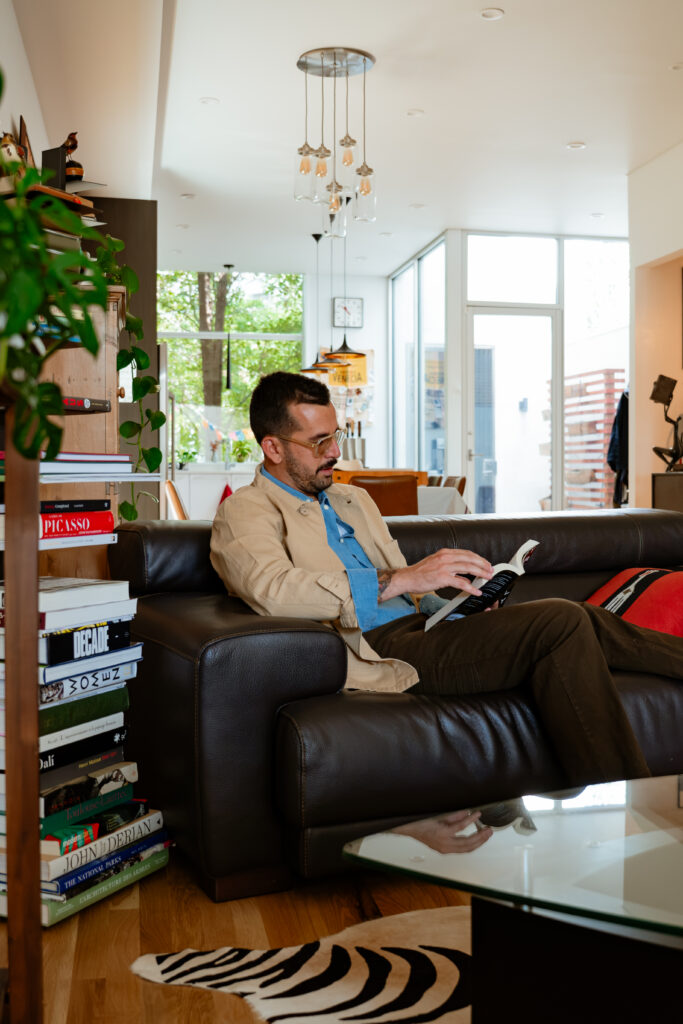
Q3: Your brand beautifully captures a relaxed, everyday polish: caps, sweaters, denim, and great shoes. If a guy wants to elevate his daily casual style without looking like he’s trying too hard, what are the first two changes he should make?
Every client I work with starts in the same place: a great pair of denim. If a client doesn’t own one, we go straight to a standard cut in midweight denim, usually 12 to 16 ounces, from a reputable brand. I look for raw, selvedge, or darker washes. A good pair of indigo jeans works with nearly everything, as long as it fits the body well. Over time, the denim fades to match how you wear it, making each pair a part of the wearer over time. This is a big reason why vintage denim is so popular, you get that worn-in, lived-in look right away.
From there, the second change depends on what’s already in the closet.
If he already owns shoes he loves, add a versatile layer. A neutral crewneck or knit sweater that complements those shoes can anchor outfits for almost any occasion. From that one piece, we build outward with tees, button-downs, coats, and other pants. Getting dressed stops requiring a decision, and that is what it means to build a wardrobe that works on purpose.
If his shoes need an upgrade, add a pair that works across occasions. Depending on his style, that might be an elevated white trainer, leather loafers, or boots. Once the denim fits and the shoes are right, everything on top looks good. That foundation frees him to play with layers, button-downs, patterns, and color, and the whole wardrobe opens up.
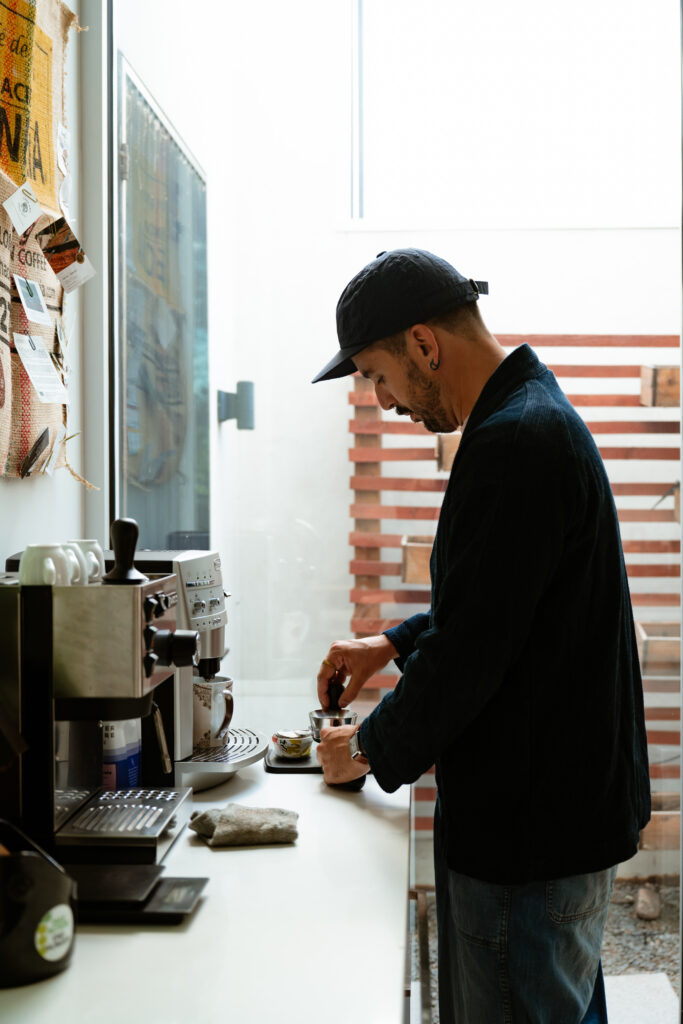
Q4: When you first look into a client’s closet, what is the most common mistake or redundant item you find yourself purging most often?
Believe it or not, I don’t ask clients to purge anything. Instead, I let them lead. They walk me through the pieces they wear and love most, and the ones that have fallen by the wayside, like the shirt that never leaves the hanger. Maybe it no longer fits their taste, or they don’t know how to style it. One recent client rediscovered his favorite sweaters after we added a single pair of boots.
That approach keeps clients grounded in what’s familiar and comfortable while we expand both their wardrobe and their knowledge. As their style develops, they learn to spot what no longer serves them, and many clean out their closets on their own.
My goal is to help men feel stylish, comfortable, and confident in how they dress, without overthinking it.
Q5: Dressing effortlessly in Colorado often defaults to activewear or ultra-casual gear. How do you coach local guys to stay comfortable and practical for the Mile High climate while still looking sharp?
I coach Colorado men on fit, fabric, and layers.
Fit, fit, fit. Fit decides whether a man wears a piece or retires it to the back of the closet. Clothes that fit well feel good, and nobody wants to wear clothes that feel bad.
The outfits my clients feel most comfortable and confident in sit on their bodies just right. The shoulder seams align with the end of their shoulders, the shirts drape just enough over a pant’s waistband. And pants close comfortably but snuggly to stay up without a belt. Outer layers can slip on without compromising the comfort of the layers underneath.
Fabric counts too, for two reasons. First, different fabrics hold their structure differently. A size large wool sweater may fit more comfortably over a medium cotton shirt, and fabric thickness and weight affect how a fabric sits on the body. Secondly, it’s important to feel comfortable in the fabrics clothes are made from. For example, if wool is too itchy or feels wrong against a client’s skin, they’ll skip wearing it no matter how well it fits.
Layers, layers, layers. Temperatures here swing between sun and shade, and spring and fall often deliver four seasons in one day: cold, hot, wet, cold again. Most men reach for activewear and synthetic fabrics, assuming quick-drying materials are the easiest way to stay dry and warm.
I’ve spent a lot of time testing natural fabrics. Cotton, linen, and wool often give me more comfort and versatility when the weather turns. Synthetic layers can do the job, but they don’t drape or sit on the body the same way. Each natural fiber has its own strengths. Linen is airy and quick-drying. Wool comes in enough varieties, from boiled to merino, to fit nearly any need. My wool flannels keep me warm when it’s cold and wet, and my lightweight merino activewear keeps me warmer than any synthetic base layer I’ve owned.
Layers also give you room to play with texture, color, and style. Heavily textured fabrics in a monochromatic look add depth and contrast. A vibrant, multicolored outfit in matching fabrics gets the same lift.
Get the fit right, choose fabrics that feel most comfortable, and layer with intention, and comfort and polish stop competing.
Q6: As a Bespoke Edge client yourself, you understand the power of garment construction. How did your experience going through the custom design and fitting process shape your philosophy on what “good fit” actually means for the everyday guy?
Fit sits at the heart of every decision I make for my clients, and I owe that largely to my experience as a Bespoke Edge client. Putting on my first custom jacket and pants, I felt like the clothes were made for me, because they were. The process taught me that fit, more than style, determines how comfortable a man feels in new clothes. When something doesn’t fit, he won’t wear it. Color is what other people see, but fit is what only the client feels. And looking good starts with feeling good.
That’s why my first question when a client tries something on is always, “How do you feel physically wearing this piece?” I want to know what’s too tight, what’s too loose, and what feels awkward on the body. Then we talk about how the piece should fit: where the shoulder seams of a shirt should land, how denim should sit on the hips and feel at the waist, and whether the toes have room to move in a shoe.
There’s no greater feeling than watching a client step out of a fitting room in a new outfit for the first time, grinning from ear to ear and beaming at himself in the mirror. He just proved to himself he can feel good and look good.
The second-best proof comes from the people around my clients. After we worked together, one client’s wife was amazed at what a well-fitted button-down and pair of pants did for his presentation on date night. I live for moments like that. He felt good first, and the reaction from the people who love him keeps building his confidence.
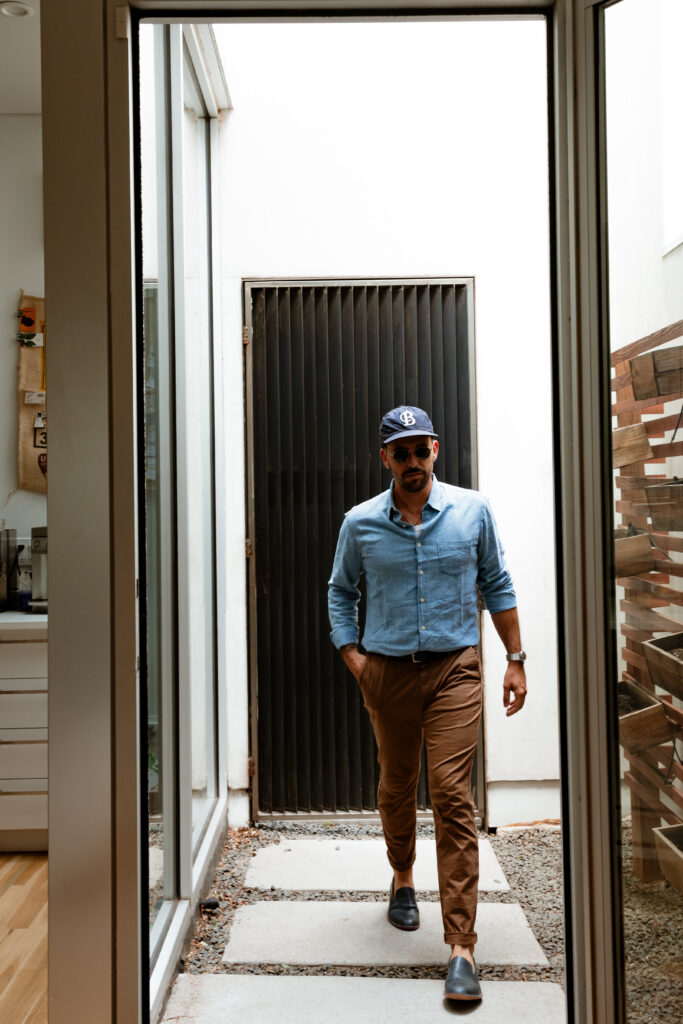
Q7: A former client of yours noted that you were incredibly “thoughtful and attentive to preferences.” For Colorado men who find fashion intimidating or might feel vulnerable changing their look, how does Worn Well Style make the process feel collaborative rather than prescriptive?
We start with a conversation. The discussion centers on my client’s current wardrobe and the pieces he loves, the pieces he never wears, and what he thinks he’s missing. We talk about the people he admires, his goals, both personal and professional. And what he wants his wardrobe to help him accomplish from a stylistic and psychological perspective.
Based on what he has to say, I present options, and he steers me toward what he likes and what he doesn’t. I shape every outfit idea and recommendation around those answers.
Comfort drives everything I do. I never ask a man to wear something he isn’t comfortable in. Changing how a man dresses can feel vulnerable, so I meet him where he is and move at his pace.
One former client called me “thoughtful and attentive to preferences.” That comes from listening first. I do nudge clients beyond what they’re used to, but because we begin with what feels familiar, they lean in and see what’s possible.
The result is a wardrobe that reflects the man wearing it, not whatever is viral, trendy, or popular.
Q8: When a client steps out of his house after working with you, what is the exact feeling or mindset you want Worn Well Style to have given him?
sI want every client to walk out the door feeling dressed for the life he’s building. When he’s put together in a way that reflects who he is, his goals feel within reach.
Three clients come to mind that really embody this sensation.
One aspires to be a CFO, and not the stuffy kind. I helped him build a look that feels modern and polished in a finance environment with only 3 new pieces: a shirt, a quarter-zip, and a pair of chelsea boots. He’s rediscovered his love of style and some of his old favorites in his wardrobe thanks to those simple upgrades. Coworkers loved his new outfits at a recent company event.
Another owns a small business and needed a wardrobe that matched his role at industry conferences. Now that he feels dressed for the part, he feels far more confident walking into professional conferences and meetings.
A third is a creative director who loves the western aesthetic and spends his free time outdoors as an avid hunter. We’re blending modern twists on western staples into a wardrobe that works outside and honors the style he loves. He’s quickly leaned into the feeling that his wardrobe is working for him.
These men share one thing: they live the life they want, and they want their wardrobes to help them do it. They no longer think about what to wear. They get dressed, walk out the door, andd start the day as the person they want to be, on purpose.
*******
If you’d like to learn more about Worn Well Style, visit Arthur’s site here. Or, reach out to him directly at: [email protected]